IBBI Startup Valuation Report Requirements: Information and Compliance Checklist in India
IBBI valuation report documents required for an Indian startup include incorporation and ownership records, financial statements, forecasts, business information, transaction details and records relevant to the applicable regulation. StartupConsultant.Business.in organises the evidence, checks document consistency and prepares the valuation information set for the registered valuation assignment.
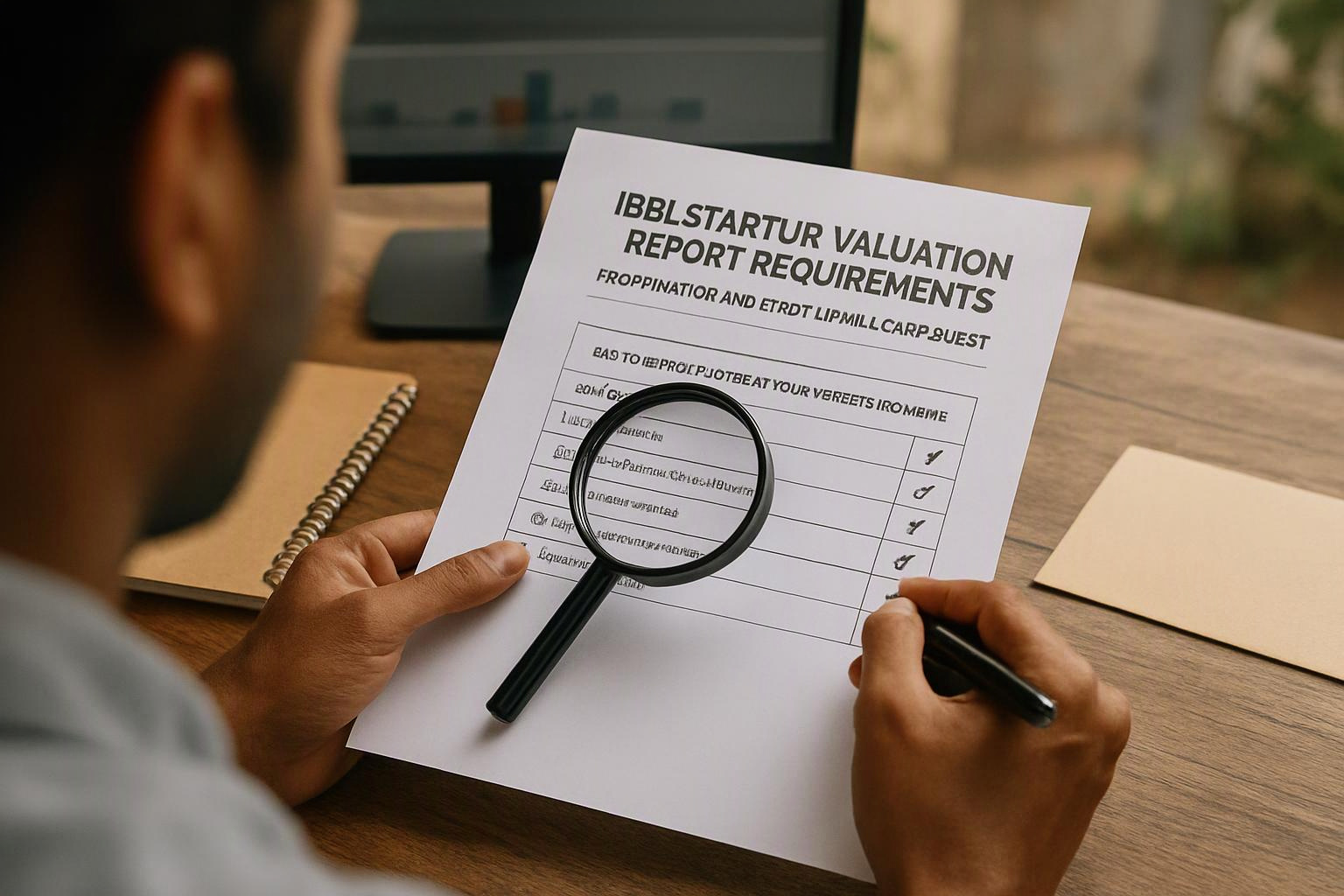
IBBI registered valuation work starts with a clear information set. We arrange the records around the valuation purpose so the report can explain the startup’s legal identity, ownership, financial position, business assumptions and applicable compliance requirements.
Our team reviews the documents that support the valuation report under the Companies Act and other applicable regulations. The required evidence depends on the security, transaction and valuation date.
Author: Gaurav Maheshwari
What Documents Support an IBBI Startup Valuation Report?
IBBI startup valuation reports are supported by documents that establish the startup’s legal identity, ownership, financial position, business assumptions and valuation purpose.
Company incorporation records show how the business was formed and who has authority to provide information. Ownership documents, financial statements, projections and transaction documents then connect the business facts to the valuation method and fair value conclusion.
Before the Valuation: Prepare the Startup Records
Company incorporation records provide the legal foundation for the valuation file. We begin by checking that the company identity, registered office and approval records are consistent across the information pack.
The following records help us establish the startup’s legal and operating position before reviewing its value.
We place these records in the opening part of the document checklist and flag differences in names, addresses or constitutional terms for clarification.
Which Ownership and Capitalisation Documents Are Needed?
Ownership and capitalisation documents show who holds the startup’s securities and which rights, preferences or conversion terms affect the valuation.
A complete capitalisation table should agree with the shareholding pattern and the underlying corporate records. We use the table below to map each record to the valuation issue it helps explain.
| Document | What it supports |
|---|---|
| Cap table | The issued securities, holders and capital structure used in the analysis. |
| Shareholding pattern | The ownership position of founders, investors and other shareholders. |
| Share certificates | Evidence of issued share ownership and certificate details. |
| Share subscription agreements | Subscription terms, rights and conditions attached to an investment. |
| Share transfer records | Transfers, consideration details and changes in ownership. |
| Convertible instruments | Conversion terms, valuation references and rights before conversion. |
| Employee stock options | Options granted, vesting terms and potential dilution. |
| Preference shares | Preference rights, liquidation terms and priority over ordinary shares. |
We reconcile the capitalisation table with shareholder agreements, share certificates and filings. Convertible notes and employee stock options remain relevant when they can affect dilution or the rights attached to the securities being valued.
During the Valuation: Provide Financial and Business Information
Financial statements, business records and forecasts explain the startup’s performance, resources and expected operating path. We use these records to test the assumptions behind the selected valuation method.
The financial information checklist should cover historical results, current management information and forward-looking plans.
Our team compares the business plan with the financial projections and checks whether the revenue model is supported by available records. We also review debt details and working capital because these items can affect the value attributable to different securities.
How Do Transaction and Regulatory Documents Affect the Report?
Transaction and regulatory documents identify the legal purpose, rights, restrictions and compliance conditions that the valuation report must address.
The valuation purpose may relate to fundraising, issue of shares, share transfer, merger or restructuring. Foreign investment, tax compliance and regulatory compliance can add further records and conditions to the review.
We examine transaction agreements, term sheets, shareholder agreements and relevant filings to understand the rights attached to the security. This work helps us align the report disclosures with the transaction and the applicable regulation.
After the Valuation: Check Evidence Before Report Finalisation
Report finalisation requires a documented check that the evidence, assumptions and conclusion agree with the valuation assignment. We complete the review before the registered valuation information set is treated as ready.
The post-review checklist focuses on the link between the records supplied and the disclosures made in the report.
We record open points clearly and link material assumptions to the documents that support them. The final report should show how the valuation date, valuation method and fair value conclusion relate to the evidence.
Red Flags That Can Delay an IBBI Valuation File
Red flags usually arise when records do not support the same ownership, financial or transaction story. We isolate these issues early so the startup can provide clarification or replacement evidence.
Our document review separates a correctable filing issue from an assumption that may affect the valuation method or report disclosures.
How StartupConsultant.Business.in Organises the Document Checklist
StartupConsultant.Business.in organises the startup’s records by valuation purpose, reviews the evidence for consistency and prepares the information set for the registered valuation assignment.
We group records into legal, ownership, financial, business, transaction and regulatory files. Our team then maps the documents to the valuation date, valuation method, assumptions, limitations and disclosures.
We support IBBI registered valuation, compliance valuation and financial reporting valuation work by keeping the evidence trail clear. We are based in Jaipur, Rajasthan, and organise the document review for startup assignments across India.
Our approach includes Free Consultations so the valuation purpose and initial information checklist can be discussed before the records are assembled.
What Changes the Documents Needed for This Valuation?
The required documents change with the valuation purpose, security being valued, ownership structure, financial history and regulation governing the transaction.
A share valuation may need more detail on rights, preferences and conversion terms. A fundraising or financial reporting valuation may place greater focus on projections, assumptions and the basis for fair value.
Company stage, intangible assets, financial history and the valuation date also shape the information checklist. We confirm these points at the start so the document request remains focused on the assignment.
Questions About IBBI Startup Valuation Documents
Do startups need financial projections for an IBBI valuation report?
Yes, financial projections are needed when forward-looking assumptions are relevant to the valuation purpose and method. StartupConsultant.Business.in reviews the projections with the business plan, revenue model and supporting financial information.
Which documents prove a startup’s shareholding for valuation?
Shareholding is supported by the cap table, shareholding pattern, share certificates, subscription agreements and share transfer records. The records should agree on holders, securities and relevant rights.
Are convertible notes and employee stock options included in the valuation documents?
Yes, convertible notes and employee stock options should be included when their terms can affect dilution, ownership or security rights. The relevant agreements should explain conversion, exercise and related conditions.
What documents explain the purpose of an IBBI valuation?
Board resolutions, transaction agreements, term sheets, share issue or transfer documents and relevant regulatory filings can explain the valuation purpose. These records show whether the assignment relates to fundraising, a share transaction, restructuring or another compliance need.
How should a startup handle inconsistent records before valuation?
A startup should identify the conflicting records, confirm the correct position and preserve the supporting explanation. We reconcile the documents, record material assumptions and carry relevant limitations into the report disclosures.
Share your valuation purpose and available records with StartupConsultant.Business.in so we can organise the information checklist for the registered valuation assignment. We provide Free Consultations for the initial discussion.
Get a Free Estimate